
BMI Calculator
BMI calculator pregnancy
A BMI (Body Mass Index) Calculator is a simple tool that helps you measure your body fat based on your height and weight. It provides a quick way to determine whether you are underweight, normal weight, overweight, or obese. The BMI value is calculated by dividing your weight (in kilograms) by your height (in meters squared). BMI is an essential health indicator used worldwide by doctors and fitness experts. It helps you understand if your body weight is in a healthy range for your height, which can reduce the risk of diseases like diabetes, heart problems, and high blood pressure.
Understanding BMI and Its Role in Pregnancy
Body Mass Index (BMI) is a numerical value calculated from a person’s weight and height. While it’s a simple screening tool and not a direct measure of body fat, it provides a useful starting point for understanding health risks, especially during pregnancy.
Calculating Your Pre-Pregnancy BMI
This is the essential first step. You need to know your weight before you conceived or very early in pregnancy to use the guidelines effectively.
The Formula:
BMI = weight (kg) / [height (m)]²
Example in Metric:
-
Weight: 65 kg
-
Height: 1.70 m
-
Calculation: 65 / (1.70 * 1.70) = 65 / 2.89 = 22.5
Alternative Formula (using pounds and inches):
BMI = [weight (lbs) / height (in)²] x 703
Example in Imperial:
-
Weight: 140 lbs
-
Height: 65 inches
-
Calculation: [140 / (65 * 65)] x 703 = [140 / 4225] x 703 = 0.0331 x 703 = 23.3
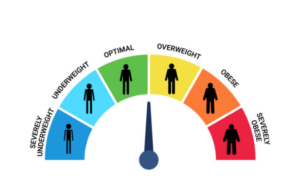
BMI Categories (World Health Organization):
-
Underweight: BMI less than 18.5
-
Normal Weight: BMI 18.5 – 24.9
-
Overweight: BMI 25 – 29.9
-
Obesity Class I: BMI 30 – 34.9
-
Obesity Class II: BMI 35 – 39.9
-
Obesity Class III: BMI 40 or greater
Why Do These Recommendations Matter? (Risks of Inappropriate Weight Gain)
Risks of Gaining Too Much Weight:
-
For the Mother: Increased risk of gestational diabetes, preeclampsia, high blood pressure, need for a C-section, and postpartum weight retention.
-
For the Baby: Increased risk of macrosomia (a very large baby), which can lead to birth injuries, childhood obesity, and later-life metabolic issues.
Risks of Gaining Too Little Weight:
-
For the Mother: Increased risk of nutritional deficiencies.
-
For the Baby: Increased risk of low birth weight, premature birth, and difficulties with breastfeeding.
How to Manage Healthy Weight Gain in Pregnancy
-
Nutrition:
- Quality over Quantity: The old saying “eating for two” is misleading. In the first trimester, you need no extra calories. In the second, you need about 340 extra calories per day, and in the third, about 450 extra calories. Focus on nutrient-dense foods.
- Key Nutrients: Ensure adequate intake of Folic Acid, Iron, Calcium, Protein, and DHA.
- Stay Hydrated: Drink plenty of water.
-
Physical Activity:
- Unless advised otherwise by your doctor, most pregnant people can and should exercise.
- Aim for at least 150 minutes of moderate-intensity exercise per week (e.g., brisk walking, swimming, stationary cycling, prenatal yoga).
- Always consult your healthcare provider before starting a new exercise routine.
NOTE:
This information is for educational purposes only and is not a substitute for professional medical advice. Always consult with your doctor, midwife, or a registered dietitian for guidance tailored to your specific health status and pregnancy.
Why is BMI Important?
BMI is an essential health indicator used worldwide by doctors and fitness experts. It helps you understand if your body weight is in a healthy range for your height, which can reduce the risk of diseases like diabetes, heart problems, and high blood pressure.
Additional insights for what’s my bmi calculator
When to Use BMI
BMI is best used as a general screening tool rather than a diagnostic measure. For a complete health assessment, combine BMI with other measurements like waist circumference, body fat percentage, and blood tests.
Better Alternatives
For more accurate health assessments, consider waist-to-hip ratio, body fat percentage measurements (DEXA scan, BIA), or waist circumference. These provide better indicators of health risks related to body composition.
BMI Calculator FAQs
Find answers to common questions about Body Mass Index (BMI) and how to use our calculator
About BMI Calculation
BMI (Body Mass Index) is a measure of body fat based on height and weight that applies to adult men and women. It's calculated by dividing a person's weight in kilograms by the square of their height in meters (kg/m²).
For imperial units, the formula is: (weight in pounds / (height in inches)²) x 703.
Our calculator automatically handles both metric and imperial units, so you don't need to do any conversions.
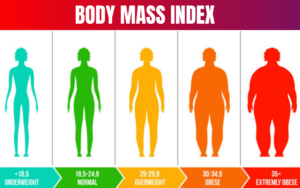
For adults, BMI is categorized as follows:
| BMI Range | Category |
|---|---|
| Below 18.5 | Underweight |
| 18.5 - 24.9 | Normal weight |
| 25.0 - 29.9 | Overweight |
| 30.0 and above | Obese |
Note: These categories are for adults aged 20 and older. BMI interpretation for children and teens is different.
Yes, BMI interpretation for children and teens is different from adults. Instead of fixed categories, children's BMI is compared to percentiles for their age and gender.
The categories for children are:
- Underweight: BMI below the 5th percentile
- Healthy weight: BMI between 5th and 85th percentile
- Overweight: BMI between 85th and 95th percentile
- Obese: BMI at or above the 95th percentile
Our calculator automatically adjusts interpretation based on the age you enter.
Using the Calculator
Our BMI calculator uses the standard formulas endorsed by health organizations worldwide, so the calculations are mathematically accurate.
However, it's important to understand that BMI is a screening tool, not a diagnostic one. It provides a general indication of whether you're at a healthy weight, but it doesn't account for factors like muscle mass, bone density, or body composition.
Tip: For a more comprehensive health assessment, consider additional measurements like waist circumference, body fat percentage, and consultation with a healthcare provider.
We ask for gender and age to provide the most accurate interpretation of your BMI result:
- Gender: While the BMI calculation is the same for men and women, the interpretation may vary slightly due to physiological differences in body composition.
- Age: BMI interpretation is different for children and adults. For children, we use age- and gender-specific percentiles rather than fixed categories.
Yes! Our calculator allows you to easily switch between metric (centimeters and kilograms) and imperial (inches and pounds) units.
Simply click the "Metric" or "Imperial" buttons at the top of the calculator. The units will automatically update, and you can enter your measurements in your preferred system.
Health & Limitations
While BMI is a useful screening tool, it has several limitations:
- Muscle vs. Fat: BMI doesn't distinguish between muscle and fat, so athletes with high muscle mass may have a high BMI but low body fat.
- Fat Distribution: It doesn't account for where fat is located on the body, which is important for health risks.
- Age Considerations: It may not be as accurate for older adults who have lost muscle mass.
- Ethnic Differences: Some ethnic groups may have different health risks at the same BMI.
- Pregnancy: BMI is not accurate during pregnancy.
Yes, BMI can be misleading for athletes and very muscular individuals. Since muscle is denser and weighs more than fat, these individuals may have a high BMI that classifies them as overweight or obese, even though they have low body fat and are in excellent health.
If you're an athlete or have a muscular build, consider additional assessments like body fat percentage measurements or waist-to-hip ratio for a more accurate health evaluation.
For most adults, checking your BMI every 3-6 months is sufficient unless you're actively trying to change your weight. For children, regular monitoring (every 6-12 months) is recommended as they grow.
Remember: Focus more on developing healthy habits (balanced diet, regular exercise) rather than frequent BMI checks. Your overall health is more important than a single number.
If your BMI falls outside the normal range:
- Don't panic: BMI is just one indicator of health.
- Consult a professional: Speak with a healthcare provider for personalized advice.
- Focus on habits: Instead of quick fixes, work on sustainable lifestyle changes.
- Consider other factors: Look at your eating patterns, activity levels, sleep quality, and stress management.
Our calculator provides general guidance, but individual health needs vary. Always consult with a healthcare professional for personalized recommendations.
Leave a Reply